
A Brief History of Traditional Chinese Medicine
Traditional Chinese Medicine (TCM) has a history that spans several thousand years. Its development can be divided into seven historical periods, with key milestones and contributions in each era.
1. Ancient Era
This was the beginning of agricultural society. Events from this period are recorded in legends and supported by archaeological evidence. Notable figures include:
- Fuxi: Credited with inventing nine types of stone needles, which are believed to have been used for early forms of acupuncture. He is also believed to have developed the first pictographic script.
- Shennong: Recognized for being the first to use herbs to treat illnesses, laying the foundation for herbal medicine.
- Emperor Huangdi (Yellow Emperor): Collaborated with imperial court physicians to discuss medical theories, treatment methods, and prescription writing. These discussions were compiled into early medical texts.
2. Xia Dynasty to the Spring and Autumn Period
(2100 – 476 BCE)
Archaeological evidence indicates that the Chinese had already mastered fermentation and alcohol production as early as the Neolithic Yangshao culture (around 4,000–10,000 years ago). This knowledge had a significant influence on medicine, especially in the use of medicated wines.
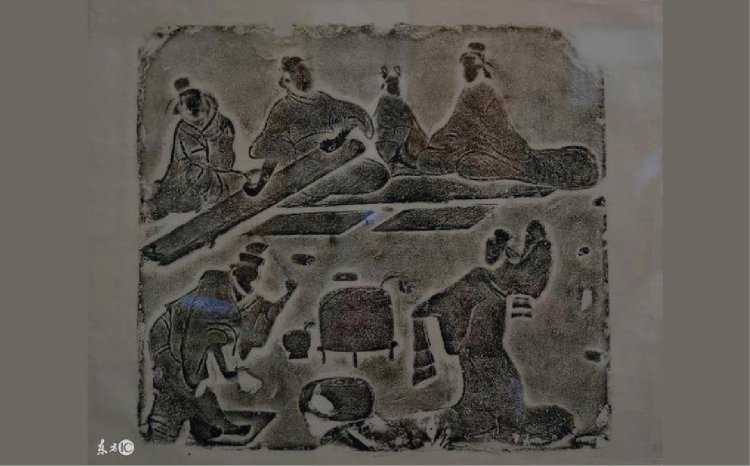
This era also marked the beginning of herbal decoctions, supported by the development of special utensils for boiling medicines. Decoctions are a hallmark of TCM due to their four main advantages:
- Ease of consumption and better absorption.
- Enhanced efficacy, with reduced toxicity and side effects.
- Flexibility in adjusting dosages of various ingredients.
- Facilitation of incorporating minerals and other non-herbal substances into medicine.
3. The Formative Era of Traditional Chinese Medical Theory – From the Warring States Period to the Three Kingdoms Period (475 BCE – 265 CE)
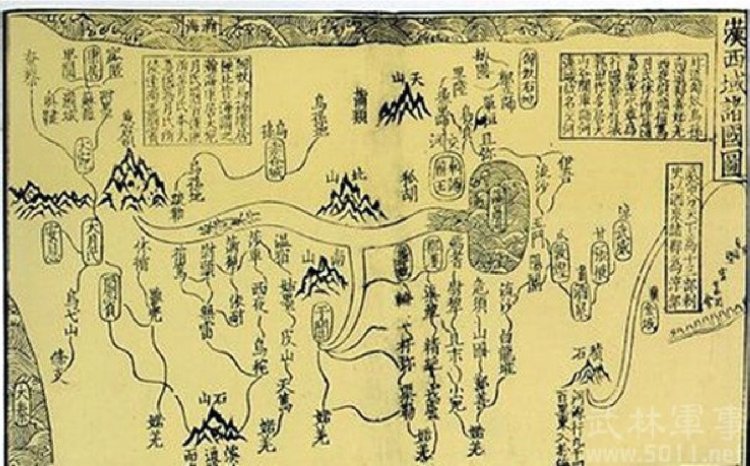
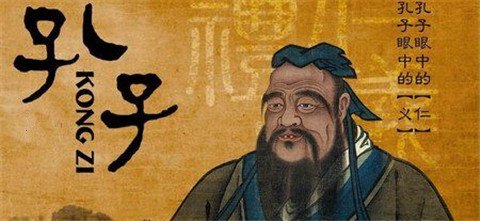
This era marked the beginning of significant civilizations. During the Warring States period, agriculture advanced through the use of cattle, buffalo, fertilizers, and iron tools. Important inventions such as the seismoscope and, most notably, the development of paper also emerged. This period also saw the rise of Confucianism (Kong Zi, 孔子) and Daoism (Dao Jiao, 道教), as well as the early establishment of the Silk Road.
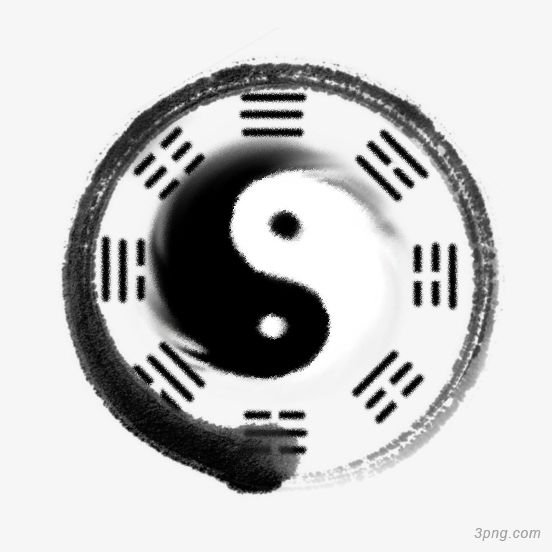
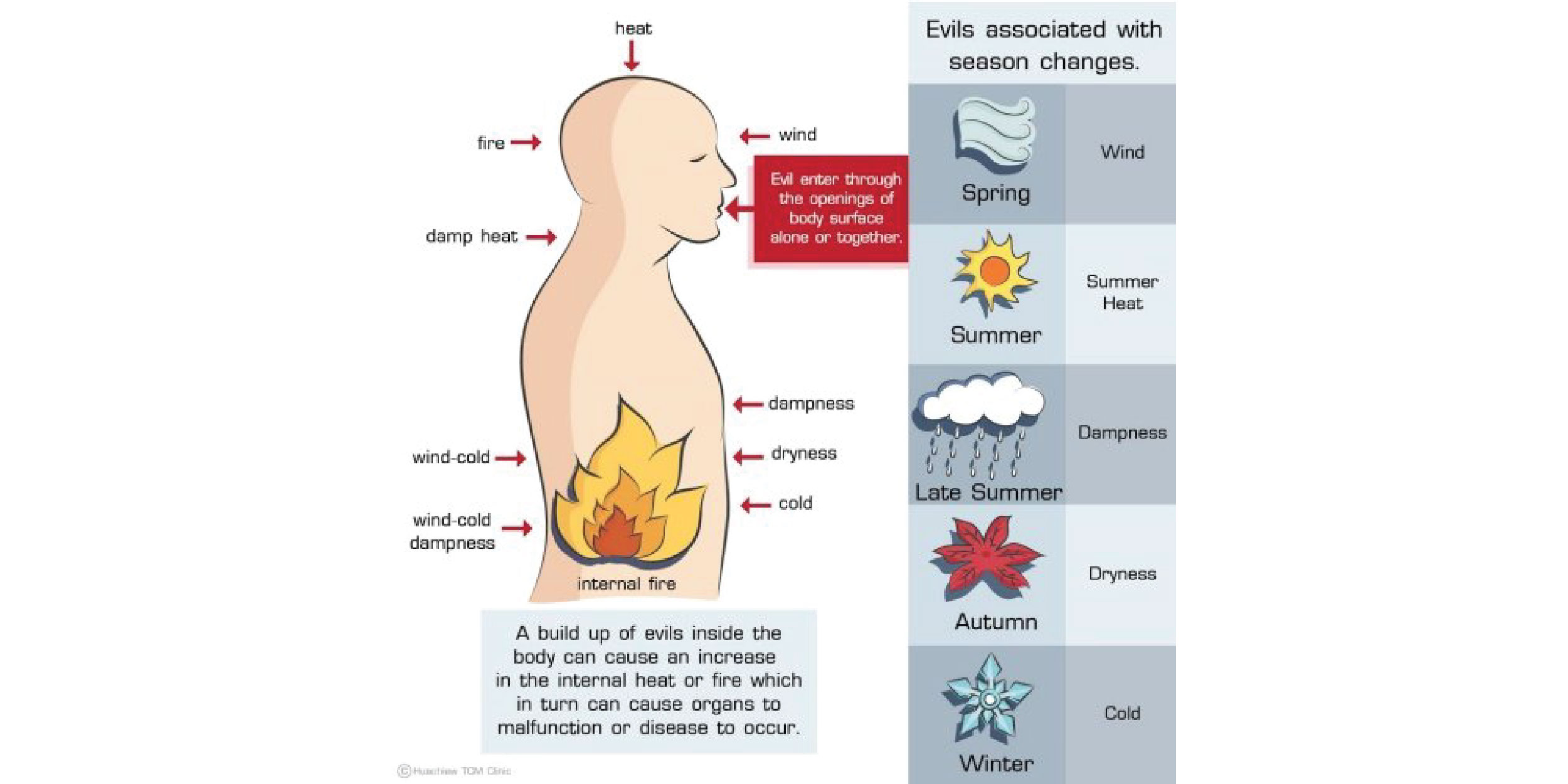
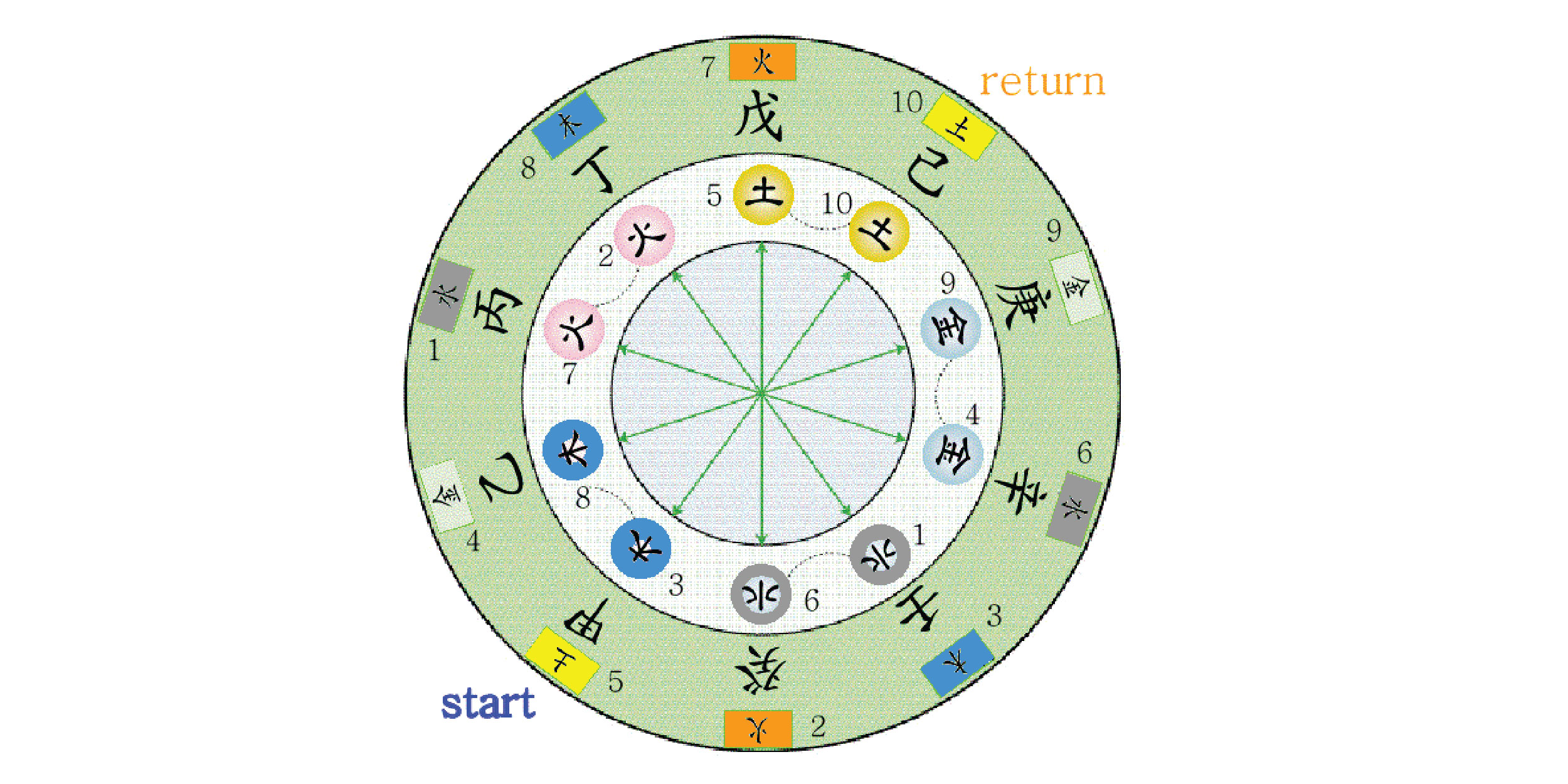
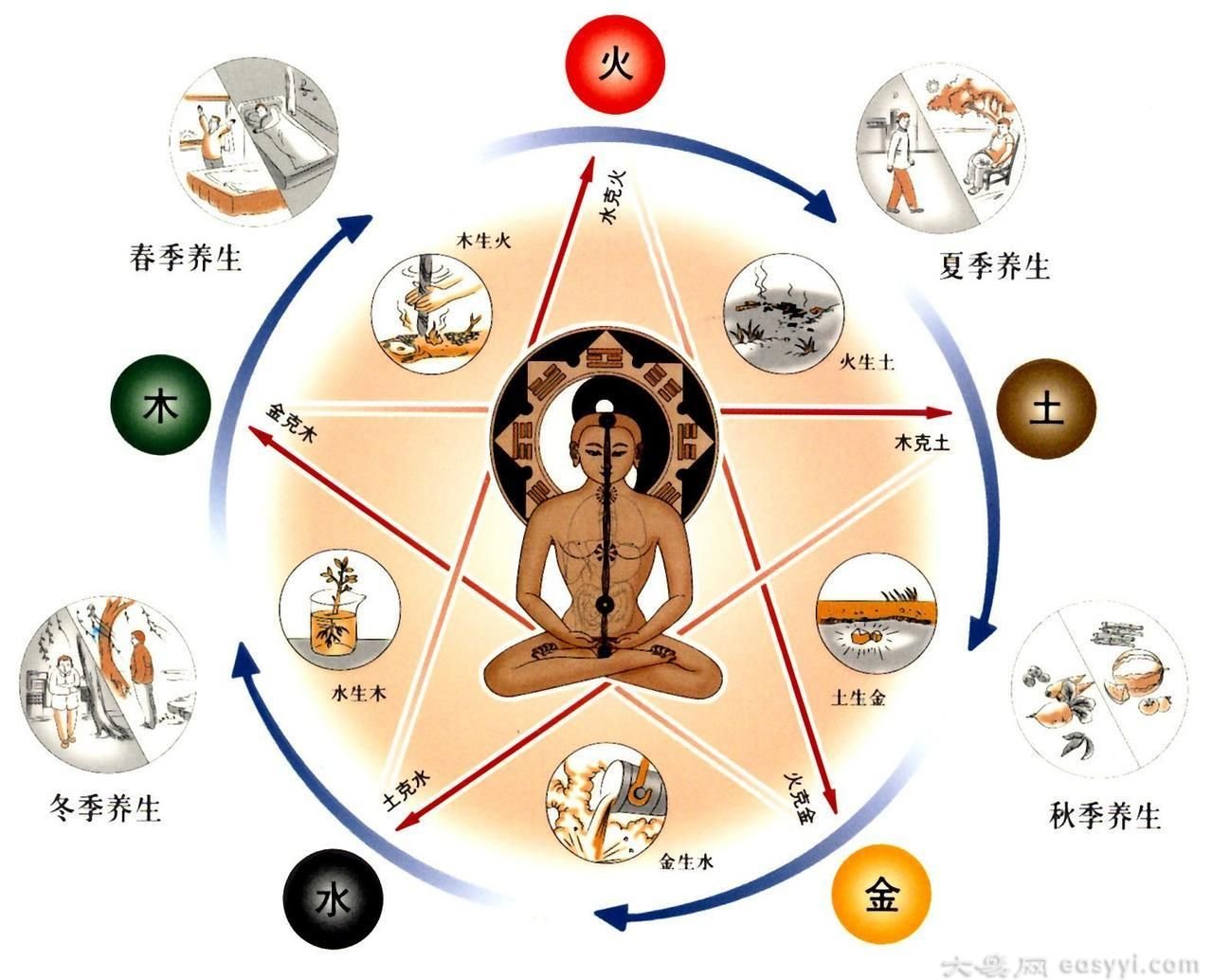
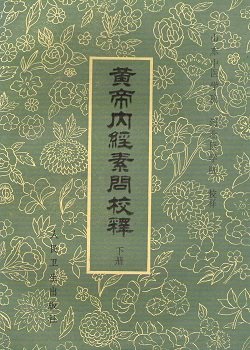
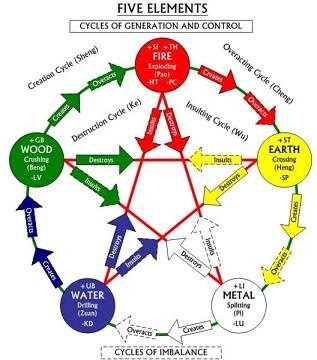
It is believed that the Huangdi Neijing was the work of several scholars during the Warring States period. However, the text was named The Inner Canon of the Yellow Emperor according to tradition, and to enhance the credibility of the work. The content consists of 81 chapters, covering topics such as: The study of medicine, Medical ethics and professional conduct, Fundamental principles of Yin and Yang (阴阳), The Five Elements (Wu Xing, 五行): Wood, Fire, Earth, Metal, and Water
Six natural influences, including: Prevention and treatment, Causes and symptoms of disease, Effects of the seasons, Geographic influences, Climatic effects (meteorology), Acupuncture and moxibustion techniques
2) The Shennong Bencao Jing (Shennong’s Classic of Materia Medica), the ancient pharmacological text attributed to Shennong, is approximately 1,780 years old.
It consists of three volumes and describes 365 medicinal substances, including 252 plants, 67 animals, and 46 minerals. The herbs are categorized into three safety grades:
Top grade: Herbs that are safe to use
Middle grade: Herbs that are not harmful if used correctly
Low grade: Herbs that are dangerous, especially if taken in excess
The Shennong Bencao Jing also established foundational theories of Chinese herbal medicine by classifying herbs into:
Four natures: Hot, Cold, Warm, and Neutral
Five flavors: Sour, Salty, Pungent (Spicy), Sweet, and Bitter
Seven effects: Single herb effect, mutual reinforcement, mutual assistance, mutual restraint, detoxification or toxicity reduction, weakening effect, and opposite effect
It follows the principle of treating cold symptoms with hot herbs and hot symptoms with cold herbs.
However, during the Han Dynasty (汉代), Taoism gained strong influence, shifting focus toward the search for longevity and immortality rather than solely treating illnesses. Therefore, herbs used as longevity remedies were classified as top grade.
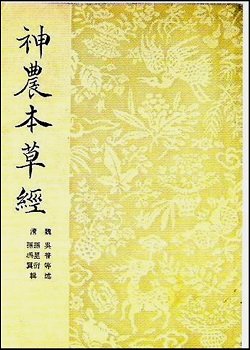
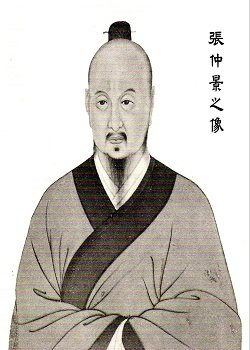
The Shennong Bencao Jing Zhang zhong jing
3) Shang Han Za Bing Lun (Treatise on Cold Damage and Miscellaneous Diseases), written by Zhang Zhongjing (张仲景)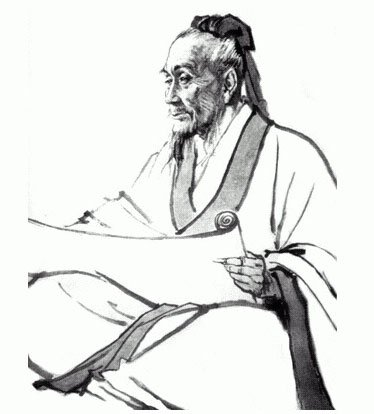
Cr.Photo : china.com.cn
At the end of the Eastern Han Dynasty (AD 25–220), Zhang Zhongjing compiled past medical knowledge along with his own experience and wrote a 16-volume medical text. The book categorized diseases based on symptoms and signs. Importantly, it abandoned the belief that gods and spirits caused illnesses and described eight treatment methods: sweating induction, vomiting, purging, harmonizing, warming, clearing heat, nourishing, and dispersing.
During this period, there were several famous physicians, including:
3.1 Bian Que (扁鹊) or Qin Yue ren (秦越人)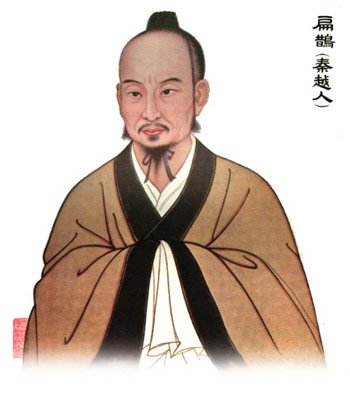
Cr.Photo :chinesekruiden.org
Bian Que was a physician who authored many medical texts and was a strong opponent of shamanic medicine. The historian Sima Qian (司马迁) regarded Bian Que as the first physician to diagnose through pulse-taking. He earned the title “Divine Doctor” for his extraordinary skills.
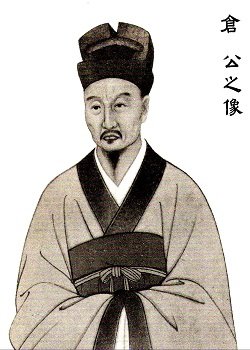
3.2 Yi Yin (伊尹) / Cang Gong (仓公)
Yi Yin is credited with identifying 20 types of pulse, which later developed into 28 types. He was one of the first to document patient medical histories, and he opposed the belief in longevity elixirs. He was also noted for acknowledging his own diagnostic or treatment mistakes—a rare quality at the time.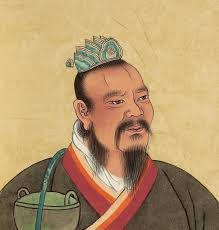
Cr.Photo :dili360.com
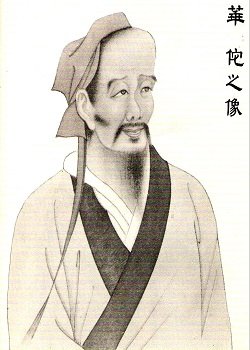
3.3 Hua Tuo (华佗)
Hua Tuo was a physician who is highly regarded as a pioneering surgeon. He lived during the Three Kingdoms period.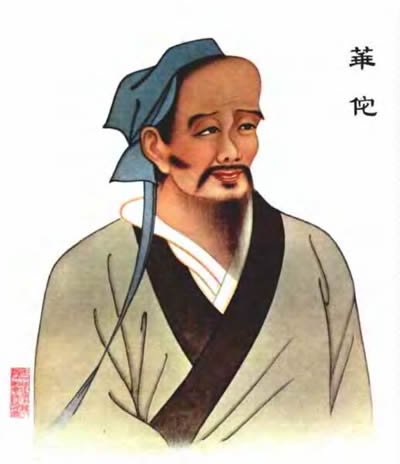
Cr.Photo :sanguo.baike.com
Hua Tuo was known for refusing titles and positions, preferring to help common people. He once treated Cao Cao, a powerful warlord, and was appointed as his personal physician. However, he missed his home and refused to return when summoned. Cao Cao ordered his execution.
Before dying, Hua Tuo tried to pass on his medical manuscripts to a prison guard, who, out of fear, refused them. Hua Tuo burned the manuscripts, causing his knowledge to be lost.
Though some books are attributed to him, it's believed others might have written them using his name.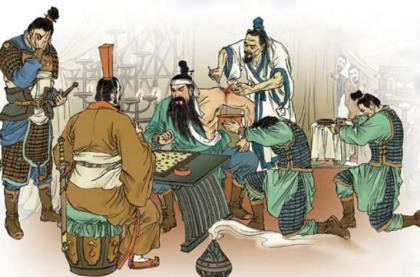
Cr.Photo : 70984.com
He is thought to have used a herbal anesthetic called “Ma Fei San” (麻沸散)—one of the earliest known anesthetics—for surgery.
Hua Tuo also emphasized personal hygiene, health maintenance, and exercise, especially through animal-inspired movements. He developed a physical regimen known as the “Five Animal Frolics”, mimicking: Tiger, Deer, Bear, Monkey, Bird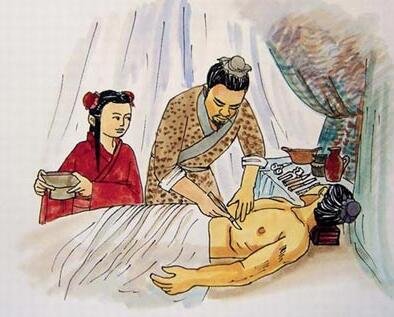
Cr.Photo : lszj.com
It's said that Hua Tuo remained healthy even past 100 years old. His disciple, Wu Pu (吴普), also followed his teachings and lived to 90 with sharp hearing, vision, and teeth.
Hua Tuo specialized in acupuncture and moxibustion, preferring to use minimal herbs and fewer acupuncture points for treatment.
Cr.Photo : ohu.com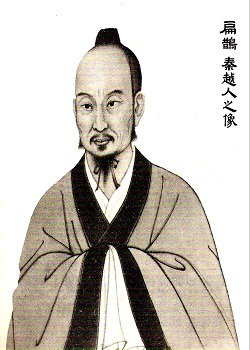
Bian Que Yi Yin (Cang Gong) Hua Tuo
4. Jin Dynasty, Northern and Southern Dynasties, Sui Dynasty, Tang Dynasty, and the Five Dynasties Period (265–960 CE)
This era saw significant development in Chinese medicine and pharmacology, heavily influenced by Confucianism, Daoism, and Buddhism. All three traditions did not believe in a personal god, but each had different impacts on Chinese medicine. Buddhism was introduced to China via the Silk Road during the Han Dynasty and flourished through the Northern and Southern Dynasties. The Tang Dynasty marked the height of Buddhism’s influence, with the construction of numerous temples and the translation of the Tripitaka into Chinese. Buddhism became widely respected among the general population.
At the same time, Daoism also gained special reverence, particularly because Laozi, the founder of Daoism whose real name was Li Dan, was regarded as an ancestral figure of the Li family — the same surname as the Tang emperors. As a result, Daoism was held in high esteem during the Tang Dynasty, leading to the widespread belief in longevity elixirs and magical incantations. After the Western Jin Dynasty, there was a trend of using heavy metals in the making of longevity medicines. However, instead of prolonging life, these often caused harm to users.
Major developments in Chinese medicine during this period include:
1) Advancements in Pulse Diagnosis
The key text on this subject is the Mai Jing (脉经), or Pulse Classic, written by Wang Shuhe (王叔和). He categorized the pulse into 24 types. According to traditional Chinese medical theory, after blood passes through the lungs, it concentrates at the pulse points at the wrists. The left wrist reflects the conditions of the heart, small intestine, liver, gallbladder, and kidneys, while the right wrist reflects the state of the lungs, large intestine, spleen, stomach, and kidneys.
2) Understanding Causes and Symptoms of Diseases
In 610 CE, Emperor Chao Yuanfang (巢元方) commissioned the writing of the medical text Zhu Bing Yuan Hou Lun (诸病源候论), or General Treatise on the Causes and Syndromes of Diseases. This encyclopedic work contains 50 volumes, divided into 67 sections and 1,720 topics, focusing solely on disease causes and symptoms — without any mention of prescriptions or remedies.
One notable description is of diabetes, which is described as:
“Excessive thirst, frequent urination, and sometimes easy development of skin sores. Patients often crave oily and sweet foods, which leads to internal heat.”
The text also describes scabies, correctly identifying it as caused by mites, and intestinal parasites as resulting from the consumption of raw beef or fish.
Wang Shuhe Chao Yuanfang Tao Hongjing
3) Advances in Pharmacology and Drug Formulation
3.1 Refinement of Medical Texts
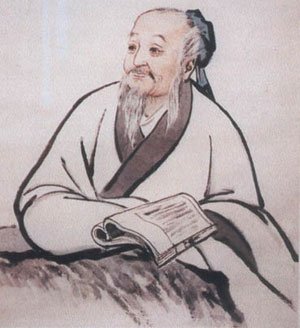
One of the major developments was the revision of the Shennong Bencao Jing (Divine Farmer’s Classic of Materia Medica) by Tao Hongjing (陶弘景, 452–536 CE).
4.4 Specialized Texts on Trauma
A Taoist priest named Lin Daoren (蔺道人) (ca. 790–850 CE) authored the first Chinese medical text specifically dedicated to traumatic injuries, titled:
Xianshou Lishang Xumi Fang (仙授理伤续秘方) – Secret Formulae to Treat Traumatic Injury Given by Celestials
This book discusses the diagnosis and treatment of fractures, including both open and closed wounds. It is also noteworthy for recommending the use of opium to relieve pain during bone realignment procedures.
4.5 Specialized Text on Obstetrics
In 852 CE, physician Zan Yin (昝殷) wrote an obstetrics manual titled:
Jingxiao Chanbao (经效产宝) – Tested Prescriptions in Obstetrics
According to the preface, during the Dazhong era (847 CE), Prime Minister Bai Minzhong became concerned with the increasing difficulty of childbirth in the population. He dispatched officials to find an expert in obstetrics and found Zan Yin, who was personally interviewed by the Prime Minister. Zan Yin compiled a three-volume manuscript, which was praised for its concise and practical content, and was officially titled by the Prime Minister.
The book contains 52 chapters and 317 prescriptions, divided into:
Volume I: Menstrual disorders, abnormal vaginal discharge, and pregnancy-related complications
Volume II: Complications during childbirth
Volume III: Postpartum disorders
4.6 Specialized Text on Pediatrics
The earliest Chinese pediatric medical text is:
Luxiong Jing (颅匈经) – Manual of the Fontanel and Chest
The author is unknown. This two-volume work, compiled during the Sui and Tang Dynasties, focuses on pediatric conditions:
Volume I: Describes different types of pulse irregularities in both adults and children
Volume II: Discusses causes and treatments of diseases in children
5) Medical Education and Administration
Major developments in medical education and administration occurred during this period:
5.1 The Imperial Medical Institute (Taiyiyuan, 太医院)
Established in 581 CE during the Sui Dynasty
Comprised three departments:
Pharmacy
Massage (Tui Na)
Incantation and magic (Incantation Medicine)
In 618 CE, under the Tang Dynasty, the role of the Imperial Medical Institute expanded beyond palace duties to serve the entire nation. Medical schools were established with extended training periods for various specialties:
Internal Medicine (内科): 7 years
External Medicine (外科): 5 years
Pediatrics: 5 years
ENT (Eye, Ear, Nose, and Throat): 2 years
Educational System
Monthly, semester, and annual examinations (both theoretical and practical)
External examiners participated in final exams
Children of officials often entered medical training, while children of commoners typically pursued pharmacology
The system was more organized than early European medical schools, such as the Salerno School in Italy (founded in 846 CE)
5.2 Prominent Physicians of the Tang Dynasty
Sun Simiao (孙思邈) (581–682 CE)
At age 71 (in 652 CE), Sun Simiao wrote:
Qianjin Yaofang (千金要方) – Thousand Ducat Formulae (30 volumes)
Followed by:
Qianjin Yifang (千金翼方) – Supplement to the Thousand Ducat Formulae (another 30 volumes)
Medical historians refer to these texts as:
“The first encyclopedia of clinical medicine in the history of traditional Chinese medicine.”
Key highlights:
Lists over 4,000 drugs in the original and another 2,000 in the supplement
Focuses on maternal and child healthcare
Emphasizes dietary therapy and preventive medicine
Promotes light, consistent work and avoiding physical overexertion
Pays attention to folk remedies and professional medical ethics
Sun Simiao is honored as the "Medicine King" (Yaowang).
Wang Tao (王焘) (670–755 CE)
Compiled medical knowledge from around 70 physicians over 10 years, resulting in:
Waitai Miyao Fang (外台秘要方) – Arcane Essentials from the Imperial Library (Completed in 752 CE)
40 volumes, 450 sections, 1,104 topics
Includes 6,700 prescriptions
7 types of moxibustion in 19 cases
663 acupuncture points explained
First recorded instance of urine tasting as a diagnostic method for diabetes
Sun Simiao Wang Tao Waitai Miyao Fang
Qianjin Yaofang Xiao'er Yaozheng Zhijue (Pediatric Essentials)
5.5 ศัลยศาสตร์และวิทยาการบาดเจ็บ หรือ ซางเคอเสฺวีย (伤科学)(Traumatology) มีตำราชื่อ ไว่เคอจิงเอี้ยว (外科精要) หรือ Essentials of External Diseases หรือ ตำราเรื่องสำคัญเกี่ยวกับโรคภายนอก (ค.ศ. 1263) เขียนโดย เฉินจื้อหมิง (陈自明)(Chen Ziming) และมีการบันทึกเกี่ยวกับโรคมะเร็งเป็นครั้งแรกในตำรา เว่ย์จี้เป่าซู (卫济宝书) หรือ Treasured Book for Health Care หรือ ตำราขุมทรัพย์เพื่อการดูแลสุขภาพ นอกจากนี้ มีการรักษากระดูกสันหลังหักโดยการแขวนถ่วงน้ำหนัก ก่อนที่แพทย์ชาวอังกฤษชื่อ เดวิส (Davis) จะกล่าวถึงวิธีการจัดให้เข้าที่โดยการแขวน (Reduction by Suspension) เป็นเวลาถึง 600 ปี และมีการใช้เฝือกไม้ 4 ชิ้น เพื่อรักษากระดูกหัก
5.6 การพัฒนาด้านนิติเวชศาสตร์ มีตำรานิติเวชศาสตร์ชื่อ สี่วานจี๋ลู่ (洗冤集绿) หรือ Records of Washing Away the Injustice หรือ บันทึกการขจัดความอยุติธรรม เขียนโดย ซ่งฉือ (宋慈)(Song Ci) (ค.ศ. 1186-1249) เป็นหนังสือ 4 เล่ม ดังนี้
• เล่มแรก เป็นเรื่องพื้นฐานนิติเวช การผ่าศพพิสูจน์ และการวิเคราะห์เหตุการณ์ของการบาดเจ็บ
• เล่มสอง แยกแยะสาเหตุของการมีบาดแผลและการตาย ว่าบาดแผลเกิดก่อนหรือหลังตาย เป็นการฆ่าตัวตายหรือฆาตกรรม
• เล่มสาม ว่าด้วยยาพิษ ทั้งจากสัตว์หรือแร่ธาตุ ที่ใช้ฆ่าตัวตายหรือฆาตกรรม
• เล่มสี่ ว่าด้วยวิธีแก้พิษ และภาวะฉุกเฉินต่าง ๆ
6. ยุคพัฒนาการแพทย์และเวชปฏิบัติแผนใหม่ ช่วงยุคราชวงศ์หมิง และราชวงศ์ชิง ก่อนสงครามฝิ่น (ค.ศ. 1368-1840)
เหตุการณ์ในยุคนี้ที่มีผลกระทบต่อพัฒนาการแพทย์ของจีน ได้แก่ ในปี ค.ศ. 1371-1435 ขันที เจิ้งเหอ (郑和)(Zheng He) หรือ ซันเป่ากง (三宝公)(San Bao Gong) ได้ออกเดินทางท่องทะเลไปตลอดทะเลจีนใต้ถึงอินเดียและกว่า 30 ประเทศในตะวันออกกลางและแอฟริกา ทำให้ประเทศจีนได้แลกเปลี่ยนวิทยาการและการแพทย์กับประเทศต่าง ๆ แต่ขณะเดียวกัน ก็มีการปิดกั้นควบคุมบรรดาปัญญาชน โดยในราชวงศ์หมิงและราชวงศ์ชิงได้จัดระบบการสอบคัดเลือกข้าราชการ มีการสอบถึง 8 ภาค และมีความพยายามปิดกั้นขัดขวางกระแสทุนนิยมโดยการใช้นโยบายปิดประเทศด้วย พัฒนาการด้านต่าง ๆ ทางการแพทย์ที่สำคัญในยุคนี้ มีดังนี้
1) การพัฒนาตำราการแพทย์และเภสัชตำรับ ได้แก่
• ตำรายา เปิ๋นเฉ่ากังมู่ (本草纲目) หรือ Compendium of Materia Medica (ค.ศ. 1578) เขียนโดย หลี่สือเจิน (李时珍)(Li Shizhen) (ค.ศ. 1518-1593) โดยใช้เวลากว่า 30 ปี ศึกษาตำรากว่า 800 เล่ม เขียนตำรานี้เสร็จเมื่อมีอายุได้ 60 ปี และพิมพ์เผยแพร่ครั้งแรกใน ค.ศ. 1596 เป็นหนังสือรวม 52 เล่ม กล่าวถึงสมุนไพร 1,892 ชนิด โดย 374 ชนิดเป็นรายการใหม่เพิ่มจากตำราเดิม มีภาพประกอบกว่า 1,160 ภาพ เป็นตำรับยากว่า 11,000 ตำรับ และตำรับยากว่า 8,160 ตำรับ เขียนจากประสบการณ์ของเขาเอง มีการจัดหมวดหมู่ของสมุนไพรใหม่ที่เป็นวิทยาศาสตร์ด้วย ทั้งนี้ ดาร์วิน (Davin) ได้อ้างอิงข้อมูลเรื่องปลาทอง (Golden Fish) และไก่ดำ (Blackbone Chicken) จากตำราชุดนี้ด้วย ดาร์วินเรียกตำรานี้ว่า สารานุกรมจีนโบราณ (Encyclopedia of Ancient China)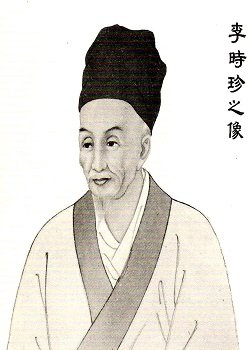
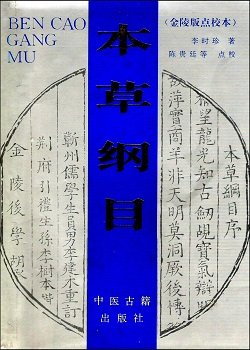
หลี่สือเจิน เปิ๋นเฉ่ากังมู่
ต่อมา จ้าวเสวียหมิ่น (赵学敏)(Zhao Xuemin) (ค.ศ. 1716-1805) ได้เขียนตำรา เปิ๋นเฉ่ากังมู่สืออี๋ (本草纲目拾遗) หรือ An Addendum to the Compendium of Materia Medica หรือภาคผนวกของตำรายาเปิ๋นเฉ่ากังมู่ของหลี่สือเจิน โดยใช้เวลาราว 40 ปี ทบทวนตำรากว่า 600 เล่ม
• ตำรา จื๋ออู้หมิงสือถูเข่า (植物名实图考) หรือ Illustrated Investigation of Names and Natures of Plants หรือ หนังสือภาพการสืบค้นชื่อและธรรมชาติของพืช เขียนโดย หวูฉีจุ้น (吴其浚)(Wu Qijun) (ค.ศ. 1789-1847) ซึ่งเป็นข้าราชสำนักตำแหน่งสูง และมีโอกาสเดินทางไปหลายมณฑลกว่าครึ่งประเทศ เช่น ส่านซี (陕西) หูเป่ย์ (湖北) หูหนาน (湖南) เจียงซี (江西) ซีจั้ง (西藏) ฝูเจี้ยน (福建) ยฺหวินหนาน (云南) และกุ้ยโจว (贵州) เป็นต้น เขาสนใจศึกษาสมุนไพรของท้องถิ่นต่าง ๆ และศึกษาตำรากว่า 800 เล่ม ซึ่งในครั้งแรกได้รวบรวมพืชกว่า 780 ชนิด ต่อมาปรับปรุงใหม่เป็นหนังสือถึง 38 เล่ม กล่าวถึงพืช 1,714 ชนิด
• ตำรา ผู่จี้ฟาง (普济方) หรือ Prescription for Curing All People หรือ ตำรับยาเพื่อรักษาทุกคน (ค.ศ. 1406) เป็นหนังสือ 168 เล่ม แบ่งเป็นกว่า 100 หัวข้อ 2,175 หัวข้อย่อย ตำรับยากว่า 61,000 ตำรับ รวมตัวอักษรราว 10 ล้านอักษร
• หนังสือ อีฟางเข่า (医方考) หรือ Verification of Formulae หรือ หนังสือการทดสอบตำรับยา (ค.ศ. 1584) เขียนโดย หวูคุน (吴琨)(Wu Kun) (ค.ศ. 1551-1602) เป็นหนังสือ 6 เล่ม 72 หัวข้อ เป็นหนังสือที่ได้รับความนิยมมาก ต้องพิมพ์ซ้ำประมาณ 10 ครั้ง
• หนังสือ อีฟางจี๋เจี่ย (医方集解) หรือ Collection of Formulae and Notes หรือ หนังสือรวบรวมสูตรตำรับและบันทึก เขียนโดย วางหม่าว (汪昴)(Wang Mao) แบ่งเป็น 21 หัวข้อ 300 ตำรับ
• ตำราเกี่ยวกับไข้ หลายเล่ม ได้แก่ ตำรา ซางหานลุ่น (伤寒论) หรือ Treatise of Febrile Diseases หรือ ตำราโรคไข้ ตำรา ซือเร่อเถียวเปี้ยน (湿热条辨) หรือ Systematic Differentiation of Damp Heat Syndromes หรือ ตำราการแยกกลุ่มอาการร้อนชื้นอย่างเป็นระบบตำรา เวินปิ้งเถียวเปี้ยน (温病条辨) Systematic Differentiation of Febrile Diseases หรือ ตำราแยกโรคไข้อย่างเป็นระบบ และ ตำราโรคระบาดฉบับย่อ (Compendium on Epidemic Febrile Diseases)
2) การพัฒนาทฤษฎีโรคระบาด และการปลูกฝี
ในยุคราชวงศ์หมิง และราชวงศ์ชิง เกิดโรคระบาดขึ้นหลายครั้ง มีโรคระบาดเกิดขึ้นราว 64 ครั้ง ในช่วง 276 ปีของยุคราชวงศ์หมิง และ 74 ครั้ง ในช่วง 266 ปีของยุคราชวงศ์ชิง จึงมีการพัฒนาตำราที่เกี่ยวข้องกับโรคระบาด คือตำรา เวินอี่ลุ่น (温疫论) หรือ Treatise of Pestilence หรือ ตำราโรคไข้ระบาด เขียนโดย หวูโหย่วซิ่ง (吴有性)(Wu Youxing) เป็นหนังสือ 2 เล่ม วางทฤษฎีพื้นฐานเรื่องโรคระบาด ในคำนำบรรยายสาเหตุของโรคระบาดว่า โรคระบาดมิได้เกิดจากลม ความเย็น ความร้อน หรือความชื้น แต่เกิดจากเหตุผิดปกติของดินฟ้าอากาศเป็นพิษจากการเปลี่ยนแปลงตามฤดูกาล (ตำราการแพทย์จีนดั้งเดิม เชื่อว่าโรคเกิดจากเหตุธรรมชาติ 6 ประการ ได้แก่ ลม ความเย็น ความร้อน ความชื้น ความแห้ง และไฟ) นอกจากนี้ ยังเชื่อว่าเชื้อโรคระบาดเข้าสู่ร่างกายทางจมูกและปาก หวูโหย่วซิ่งยังสังเกตเห็นว่า โรคระบาดเกิดในคนและสัตว์ ไม่เหมือนกัน “วัวป่วยในขณะที่เป็ดไม่ป่วย และคนป่วยในขณะที่สัตว์ไม่ป่วย”
สำหรับการบุกเบิกเรื่องการปลูกฝีป้องกันไข้ทรพิษ มีผู้บันทึกว่าคนจีนในอำเภอไท่ผิง (太平)(Taiping) มณฑลหนิงกั๋วฝู่ (Ningguofu) ซึ่งปัจจุบันคือ มณฑลอันฮุย (安徽)(Anhui) รู้จักวิธีการปลูกฝีป้องกันไข้ทรพิษมาตั้งแต่รัชสมัยหลงชิง (隆庆)(Long Qing) แห่งราชวงศ์หมิง (ค.ศ. 1567-1572)
ในยุคราชวงศ์ชิง มีหนังสือที่กล่าวถึงตำนานที่มาของการป้องกันไข้ทรพิษในประเทศจีน 2 เล่ม คือ หนังสือ ตำราอ้างอิงใหม่เกี่ยวกับการปลูกฝีในมนุษย์ (New Text About Human Variolation) (ค.ศ. 1884) แต่งโดย หวูหรงหลุน (武荣纶)(Wu Rong Lun) และตงยฺวี่ซาน (董玉)(Dong Yushan) บันทึกไว้ว่า “จากการสืบค้นหนังสือเก่า ๆ พบศัพท์ทางการแพทย์เกี่ยวกับการปลูกฝีในคน ใน ช่วงสมัยถังไค่เยฺวียน (Tang Kaiyuan) จ้าวสือ (Zhao Shi) ซึ่งอาศัยอยู่ทางตอนเหนือของลุ่มน้ำแยงซี ได้ใช้วิธีพ่นผงแห้งหรือที่ทำให้ชุ่มของสะเก็ดแผลไข้ทรพิษ เข้าไปในเยื่อบุจมูกของเด็กที่ปกติ”
หนังสือเล่มดังกล่าวได้กล่าวถึงการปลูกฝีในจีนว่า เริ่มตั้งแต่ ค.ศ. 713-741 หนังสืออีกเล่มคือ ตำราไข้ทรพิษ (Treatise on Pox) (ค.ศ. 1713) เขียนโดย จูชุนเซี่ย (Zhu Chunxia) แพทย์ราชสำนักแห่งสถาบันแพทย์หลวง กล่าวไว้ว่า การปลูกฝีเริ่มต้นมาจาก หมอเทวดา (Divine Doctor) แห่งภูเขาเอ๋อร์เหมย (娥眉)(Emei) ตั้งแต่รัชสมัยซ่งเจินจง (宋真宗)(Song Zhenzong) (ค.ศ. 1023-1063) ตำนานมิได้กล่าวถึงวิธีการปลูกฝี แต่เล่าว่า หวางต้าน (王旦)(Wang Dan) อัครมหาเสนาบดีของราชสำนักซ่งเจินจง ได้นำวิธีจากหมอเทวดามาปลูกฝีให้กับลูกของตนเอง หลังจากลูกหลายคนของเขาต้องตายไป เพราะไข้ทรพิษ ตำนานทั้งสองเรื่องนี้ไม่มีหลักฐานพิสูจน์ จึงไม่ใคร่ได้รับความเชื่อถือวิธีการปลูกฝีของจีนเผยแพร่ไปใช้ในญี่ปุ่น ค.ศ. 1652 และเข้าสู่รัสเซีย ค.ศ. 1688
3) การพัฒนาเวชปฏิบัติ
ในยุคราชวงศ์หมิงและราชวงศ์ชิง มีการพัฒนาเวชปฏิบัติแขนงต่าง ๆ ทั้งอายุรศาสตร์ ศัลยศาสตร์ วิทยาการบาดเจ็บ สูติศาสตร์ นรีเวชวิทยา กุมารเวชศาสตร์ จักษุวิทยา ทันตกรรม ลาริงซ์วิทยา และวิทยาการฝังเข็ม มีตำราแพทย์หลายชุดเขียนขึ้นในยุคนี้ เช่น
• ตำรา อิ้วอิ้วจี๋เฉิง (幼幼集成) หรือ A Complete Work on Pediatrics หรือ ตำรากุมารเวชศาสตร์ฉบับสมบูรณ์ (ค.ศ. 1750) เขียนโดย เฉินฟู่เจิ้ง (陈复正)(Chen Fuzheng) โดยเขียนจากประสบการณ์ราว 40 ปี อธิบายลักษณะหลอดเลือดดำที่นิ้วชี้ให้สมบูรณ์ขึ้น เน้นการรักษาด้วยยาภายนอกมากกว่ายาภายใน
• ตำราเป่าอิงชัวเอี้ยว (保婴撮要) หรือ Synopsis of Caring for Infants หรือ ตำราดูแลทารกฉบับย่อ เขียนโดยสองพ่อลูก เซฺวียไข่ (薛铠)(Xue Kai) และ เซฺวียจี่ (薛己)(Xue Ji) เป็นหนังสือ 20 เล่มกล่าวถึงโรคต่าง ๆ ทั้งภายในและภายนอกของเด็กกว่า 700 เรื่อง มีเรื่องวิธีการป้องกันบาดทะยักในเด็กแรกเกิด โดยการจี้สายสะดือที่ตัดออกด้วยความร้อน
4) การรวบรวมและชำระตำราแพทย์ดั้งเดิม
มีการรวบรวมและชำระตำราแพทย์ดั้งเดิมอย่างกว้างขวาง โดยเฉพาะคัมภีร์เน่ย์จิง (Classic of Internal Medicine) และตำราซางหานลุ่น (Treatise on Febrile Disease) โดยทำให้กระชับและชัดเจนขึ้น จนได้รับความนิยมอย่างกว้างขวางในเวลาต่อมา ในยุคต้นราชวงศ์ชิง ตำราแพทย์ต่าง ๆ ตำราดั้งเดิมกว่า 120 เล่ม ได้รับการจัดหมวดหมู่ เพื่อ ให้อ้างอิงได้สะดวก จัดทำเป็นหนังสือรวม 520 เล่ม เนื้อหาครอบคลุมตั้งแต่บันทึกทางการแพทย์สมัยดั้งเดิม การวินิจฉัยโรค การรักษา ทฤษฎีพื้นฐานของโรคแขนงต่าง ๆ การประกอบโรคศิลปะ บันทึกเหตุการณ์และประวัติแพทย์ที่มีชื่อเสียง รวมทั้งทฤษฎีและวิธีการปรุงตำรับยา ตำราสำคัญจากการรวบรวมและชำระตำราแพทย์ดั้งเดิม คือ ตำรา อีจงจินเจี้ยน (医宗金鉴) หรือ ตำราการแพทย์ฉบับราชสำนัก (ค.ศ. 1739) รวบรวมและชำระโดยแพทย์ราชสำนักแห่งราชวงศ์ชิง มี หวูเชียน (吴谦)(Wu Qian) เป็นหัวหน้าคณะ จัดทำเป็นหนังสือ 90 เล่ม หลังการสถาปนารัฐจีนใหม่ใน ค.ศ. 1949 สถาบันแพทย์ราชสำนัก (The Institute of the Imperial Physicians) จัดให้ตำราชุดนี้เป็นตำราอ้างอิงของนักศึกษา นอกจากนี้ ยังมีการรวบรวมบันทึกเวชปฏิบัติของแพทย์ เช่น
• หนังสือ กู่จินอีถ่ง (古今医统) หรือ A Great Collection of Medical Works, Ancient and Modern หรือ หนังสือรวบรวมผลงานทางการแพทย์ครั้งใหญ่ทั้งโบราณและปัจจุบัน (ค.ศ. 1556) รวบรวมโดย สวีชุนฝู่ (徐春甫 Xu Chunfu)
• หนังสือ เจิ้งจื้อจุ่นจฺเหวีย (证治准绝) หรือ Standard of Diagnosis and Treatment (ค.ศ. 1602) โดยหวางเขิ่นถัง (王肯堂)(Wang Ken Tang)
• หนังสือ จิ่งเยวี่ยฉวนซู (景岳全书) หรือ Complete Works of Zhang Jingyue หรือ หนังสือผลงานฉบับสมบูรณ์ของจางจิ่งเยวี่ย (ค.ศ. 1624) โดย จางเจี้ยปิน (张介宾)(Zhang Jiebin) เป็นหนังสือ 64 เล่ม รวมกว่า 1 ล้านตัวอักษร
• หนังสือ หมิงอีเล่ย์อั้น (名医类案) หรือ Classified Medical Records of Famous Physicians หรือ หนังสือเรียบเรียงการบันทึกทางการแพทย์อย่างเป็นระบบของแพทย์ผู้มีชื่อเสียง (ค.ศ. 1549) รวบรวมโดย เจียงกวน (江瓘)(Jiang Guan) โดยใช้เวลาทำงานกว่า 20 ปี รวบรวมบันทึกและเขียนคำวิจารณ์ แต่ทำได้เพียง 12 เล่ม ก็เสียชีวิต เจียงยิ่งซู (Jiang Yingsu) ผู้เป็นบุตรใช้เวลาทำงานสืบทอดต่อมาอีก 19 ปี จึงเสร็จ และตีพิมพ์เผยแพร่ได้ใน ค.ศ. 1591 หนังสือนี้ได้รับความนิยมและตีพิมพ์ซ้ำหลายครั้ง
• หนังสือ ซู่หมิงอีเล่ย์อั้น (续名医类案) หรือ Supplements to the Classified Medical Records of Famous Physicians หรือ ภาคผนวกหนังสือเรียบเรียงการบันทึกทางการแพทย์อย่างเป็นระบบของแพทย์ผู้มีชื่อเสียง (ค.ศ. 1770) และหนังสือ คำอภิปรายเรื่องเวชปฏิบัติในหลิวโจว (柳州医话) หรือ Discussion of Medical Practice in Liu Zhou รวบรวมโดย เว่ย์จือซิ่ว (魏之绣)(Wei Zhixiu)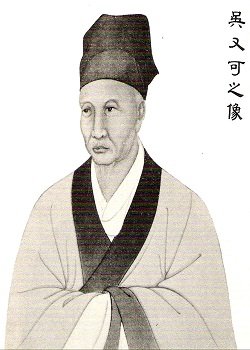
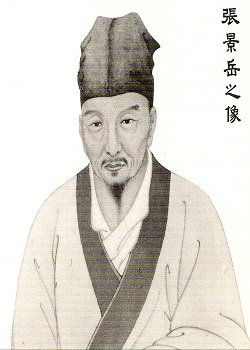
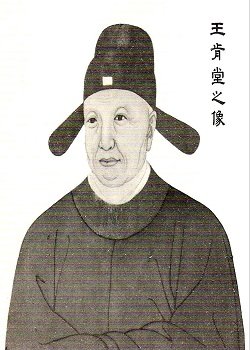
หวูโหย่วซิ่ง (หวูอิ้วเข่อ) จางจิ่งเยวี่ย หวางเขิ่นถัง